

How Proactive IT Monitoring Minimizes Costly Downtime


Downtime rarely announces itself ahead of time. For many organizations, it shows up as a slow system, an unexpected outage, or a frustrated employee who can’t access the tools they need to work. By the time the issue is visible, productivity is already impacted — which means costs are already adding up.
Proactive IT monitoring changes that equation. Instead of waiting for systems to fail, it focuses on identifying early warning signs and resolving issues before they disrupt the business. For organizations that rely heavily on technology to operate, this approach can be the difference between minor maintenance and major downtime.
The Real Cost of IT Downtime
When systems go offline, the impact extends far beyond IT. Employees lose productive time, customer interactions are disrupted, and leadership is forced into reactive decision-making instead of focusing on strategic priorities.
Even brief outages can compound quickly. Missed deadlines, stalled projects, and delayed responses all add up, especially when core systems or shared platforms are involved. In many cases, the most expensive downtime events aren’t dramatic failures: they’re small, preventable issues that were allowed to escalate.
The true cost of downtime isn’t just financial. It shows up in lost momentum, frustrated teams, and reduced confidence in the technology people rely on every day.
Why Reactive IT Support Falls Short
Reactive IT support focuses on fixing problems after they occur, which is often the reality of traditional IT help desk support models. While this approach may resolve immediate issues, it often leaves underlying risks untouched.
Over time, reactive environments tend to share a few common traits:
limited visibility into overall system health
recurring issues that never fully get resolved
response driven by urgency rather than business impact
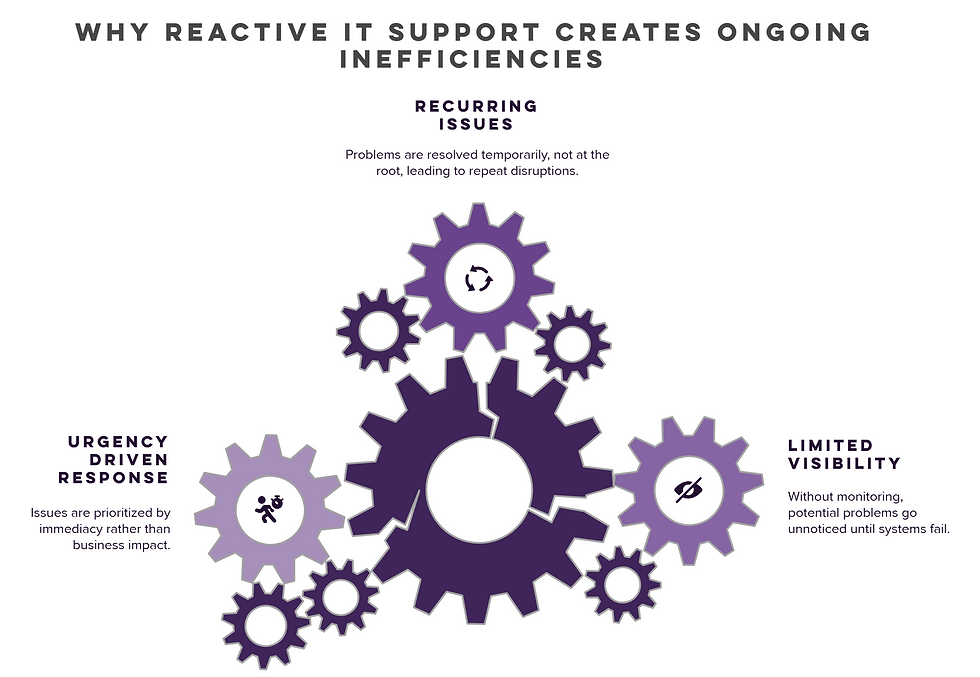
When IT teams are constantly responding to emergencies, there’s little opportunity to identify trends, improve performance, or prevent future disruptions. The result is predictable: repeated outages, mounting frustration, and increasing strain on both IT and end users.
What Proactive IT Monitoring Really Means
Proactive IT monitoring takes a fundamentally different approach. Instead of waiting for failures, it continuously tracks the health and performance of critical systems — including networks, servers, applications, and endpoints — to surface potential issues early through effective infrastructure management.
Monitoring looks for patterns and anomalies: declining performance, unusual spikes in resource usage, connectivity instability, or early signs of hardware failure. When something begins to drift outside expected thresholds, IT teams can investigate and intervene before users ever feel the impact.
The goal isn’t to eliminate every issue entirely. It’s to maintain awareness, reduce surprise, and address problems while they’re still manageable.
How Proactive Monitoring Prevents Downtime
By creating real-time visibility, proactive monitoring allows IT teams to see problems forming rather than reacting after systems fail.
With effective monitoring in place:
early warning signs surface before outages occur
maintenance can be scheduled strategically instead of rushed
recurring issues are addressed at the root rather than repeatedly patched
This approach shifts IT operations from crisis response to planned improvement. Over time, systems become more stable, disruptions become less frequent, and downtime is reduced through insight rather than luck.
The Business Benefits of Proactive IT Monitoring

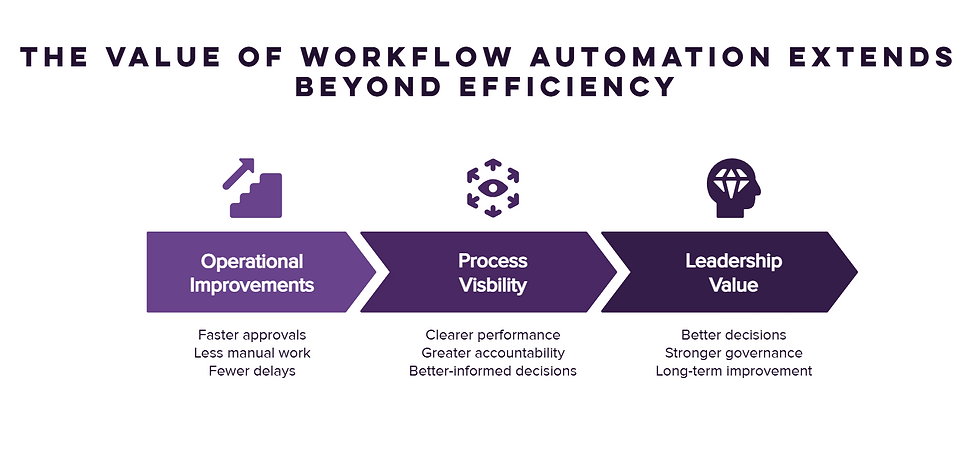
Reducing downtime is the most obvious benefit of proactive IT monitoring, but it’s far from the only one. Greater visibility into system health supports stronger decision-making across the organization.
Businesses that adopt proactive monitoring often experience:
fewer unexpected disruptions
improved system reliability and performance
more efficient use of IT resources
better planning around upgrades and maintenance
When technology operates consistently, teams stay focused on their work instead of troubleshooting issues. That stability plays a meaningful role in productivity, customer experience, and long-term growth.
Monitoring as Part of a Broader IT Strategy
Proactive IT monitoring delivers the most value when it’s treated as part of a broader managed IT services strategy, not a standalone tool. Monitoring insights should inform decisions about infrastructure health, capacity planning, security posture, and long-term improvements.
When paired with regular system reviews, clear escalation paths, and well-documented processes, monitoring becomes a foundation for smarter, more resilient IT operations. It helps organizations anticipate change, manage risk, and maintain stability as their technology environments evolve.
Final Thoughts
Downtime may be inevitable in complex IT environments, but costly and disruptive outages don’t have to be. Proactive IT monitoring helps organizations detect issues earlier, respond more effectively, and reduce both the operational and financial impact of system failures.
By shifting from reactive fixes to proactive oversight, businesses gain greater control over their technology, and greater confidence that systems will support day-to-day operations instead of disrupting them.
Synergy helps organizations take a proactive approach to IT reliability. Through ongoing monitoring, strategic oversight, and practical support, we help teams reduce downtime, improve system performance, and build more dependable technology environments.
If you’re looking to minimize disruption and gain better visibility into your IT systems, connect with our team to discuss how proactive monitoring can support your business.


Comments